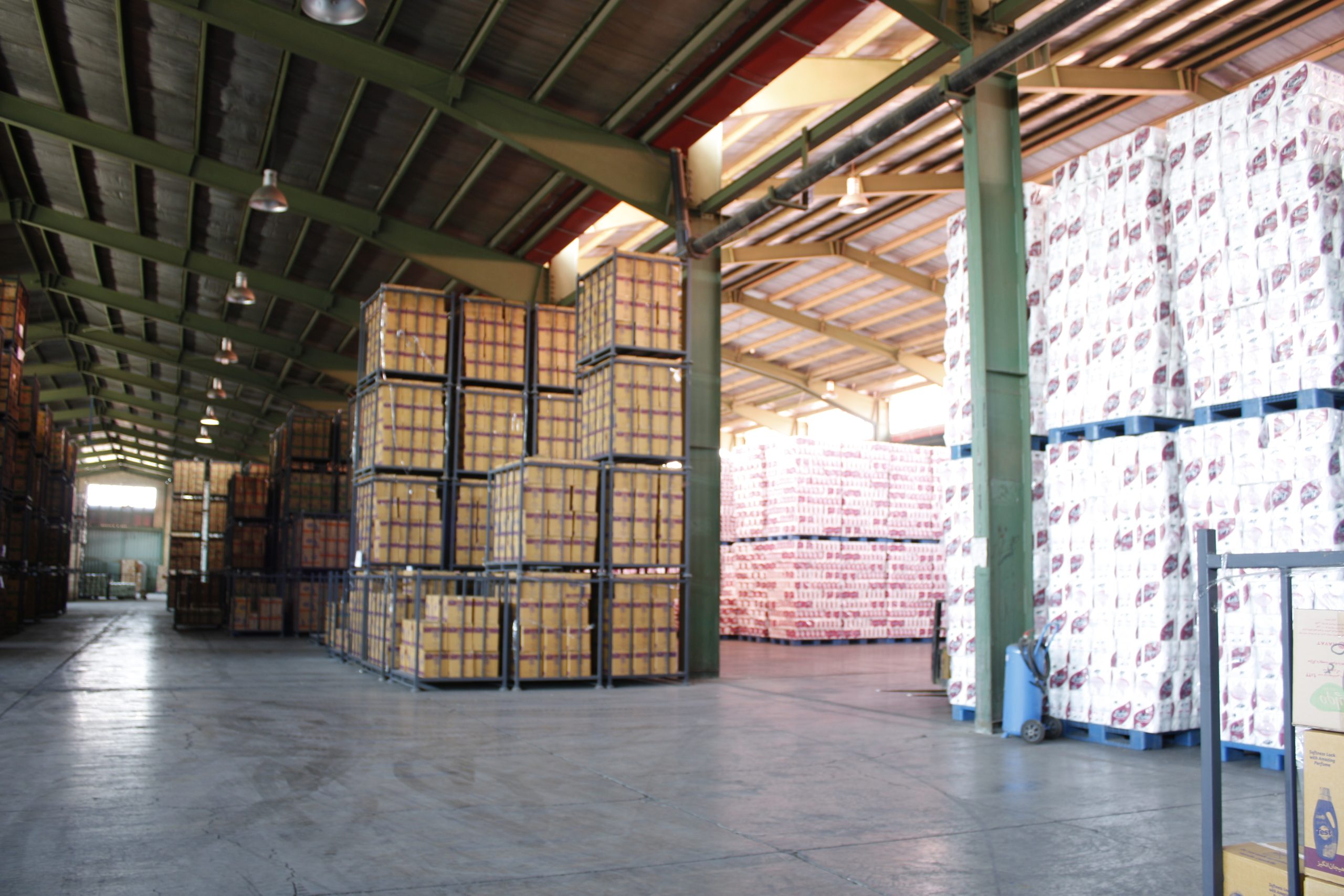
The world of FMCG is characterized by high demand, short shelf life, and the constant need for just-in-time product availability. FMCG distribution companies play a vital role in ensuring that these products reach consumers efficiently. However, the FMCG distribution landscape is not without challenges. In this article, we examine common obstacles faced by FMCG distribution companies and explore strategies and insights to overcome them, focusing on key areas such as demand forecasting, inventory management, and distribution network optimization.
Complexity of FMCG distribution
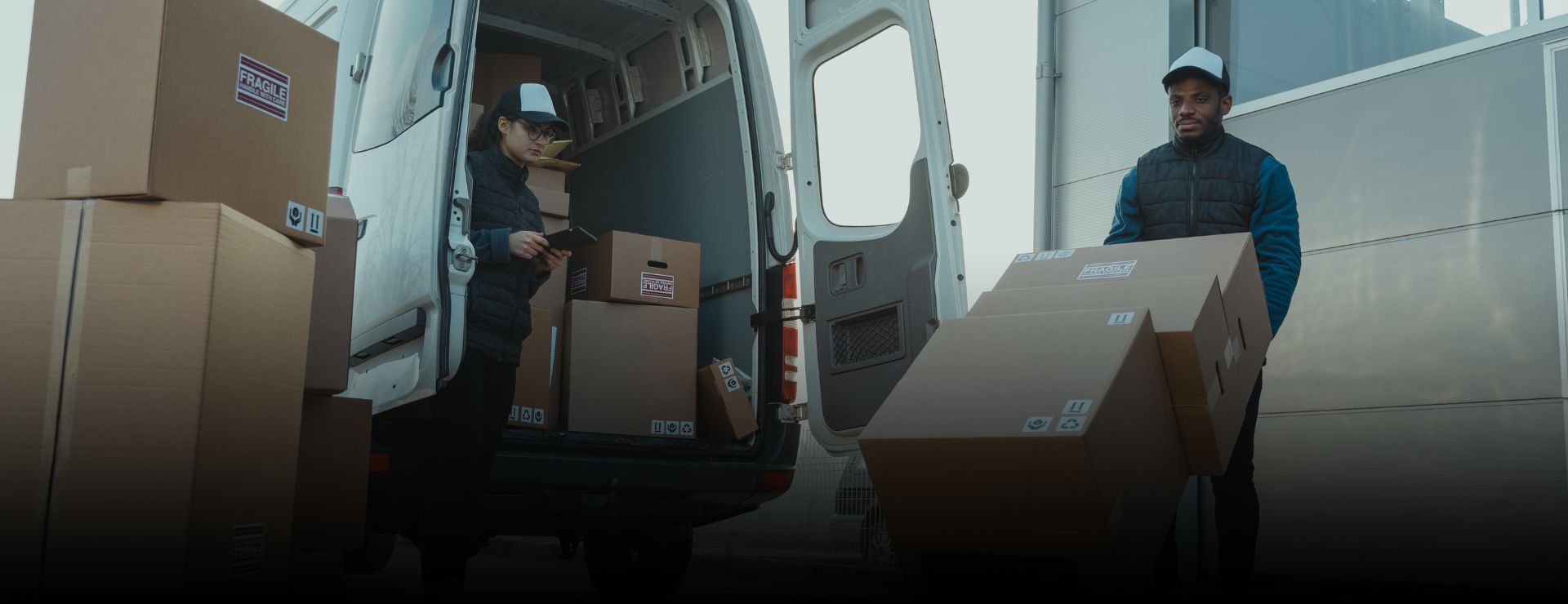 Before diving into the specific challenges, it is necessary to understand the complex web of processes that make up the distribution of FMCG goods. It starts with the producers who produce the goods and ends with the consumers buying these products. In between, various pieces come into play, including distributors, wholesalers and retailers. Each player has a specific role in getting products to consumers, and any disruption in the supply chain can lead to inefficiencies and increased costs.
Challenges in FMCG distribution
1. Fluctuating consumer demand
One of the main challenges of FMCG distribution companies is the fluctuation of consumer demand. FMCG products often experience sudden changes in demand due to factors such as seasonality, promotions or unforeseen market changes. This makes accurate demand forecasting an important task.
Strategy:
Invest in advanced demand forecasting and analytics software to analyze historical data, market trends, and external factors affecting demand. Foster close relationships with manufacturers and retailers to obtain real-time data on sales and inventory levels.
2. Inventory management and useful life
FMCG products usually have a short shelf life and improper inventory management can lead to significant losses. Distributors must strike a delicate balance between maintaining sufficient inventory to meet demand and avoiding product wastage due to expiration. Strategy: Implement just-in-time (JIT) inventory management systems to reduce excess inventory. Carefully monitor product shelf life and use first-in, first-out (FIFO) methods to ensure that older products are distributed first.
3. Navigating supply chain challenges in the distribution of FMCG goods
 The world of fast-moving consumer goods (FMCG) is characterized by high demand, short shelf life, and the constant need for just-in-time product availability. FMCG distribution companies play a vital role in ensuring that these products reach consumers efficiently. However, the FMCG distribution landscape is not without challenges. In this article, we examine common obstacles faced by FMCG distribution companies and explore strategies and insights to overcome them, focusing on key areas such as demand forecasting, inventory management, and distribution network optimization.
4. Continuous training and development
Invest in employee training and development to ensure your workforce is well equipped to meet the challenges of FMCG distribution. This includes training on the use of temperature sensitive products, quality control procedures and compliance measures.
5. Data-driven decision making
Use data analysis to make informed decisions. Using data, distribution companies can better understand consumer preferences, optimize inventory levels, and create more accurate demand forecasts. Summary The FMCG distribution industry is a complex and dynamic landscape and it is essential for companies in this sector to adapt to changing demands and challenges. By addressing common challenges such as demand forecasting, inventory management, and distribution network optimization, FMCG distribution companies can increase their efficiency and in turn deliver value to both manufacturers and consumers. Strategies that focus on collaboration, technology integration, sustainability, employee development, and data-driven decision-making can empower distribution companies not only to overcome challenges but also in this fast-paced industry. With these approaches, FMCG distribution companies can ensure timely product delivery and consumer satisfaction, thus contributing to the continued success of the FMCG industry as a whole.
-
Next Post
Baraka at IranAgrofood
Related Posts
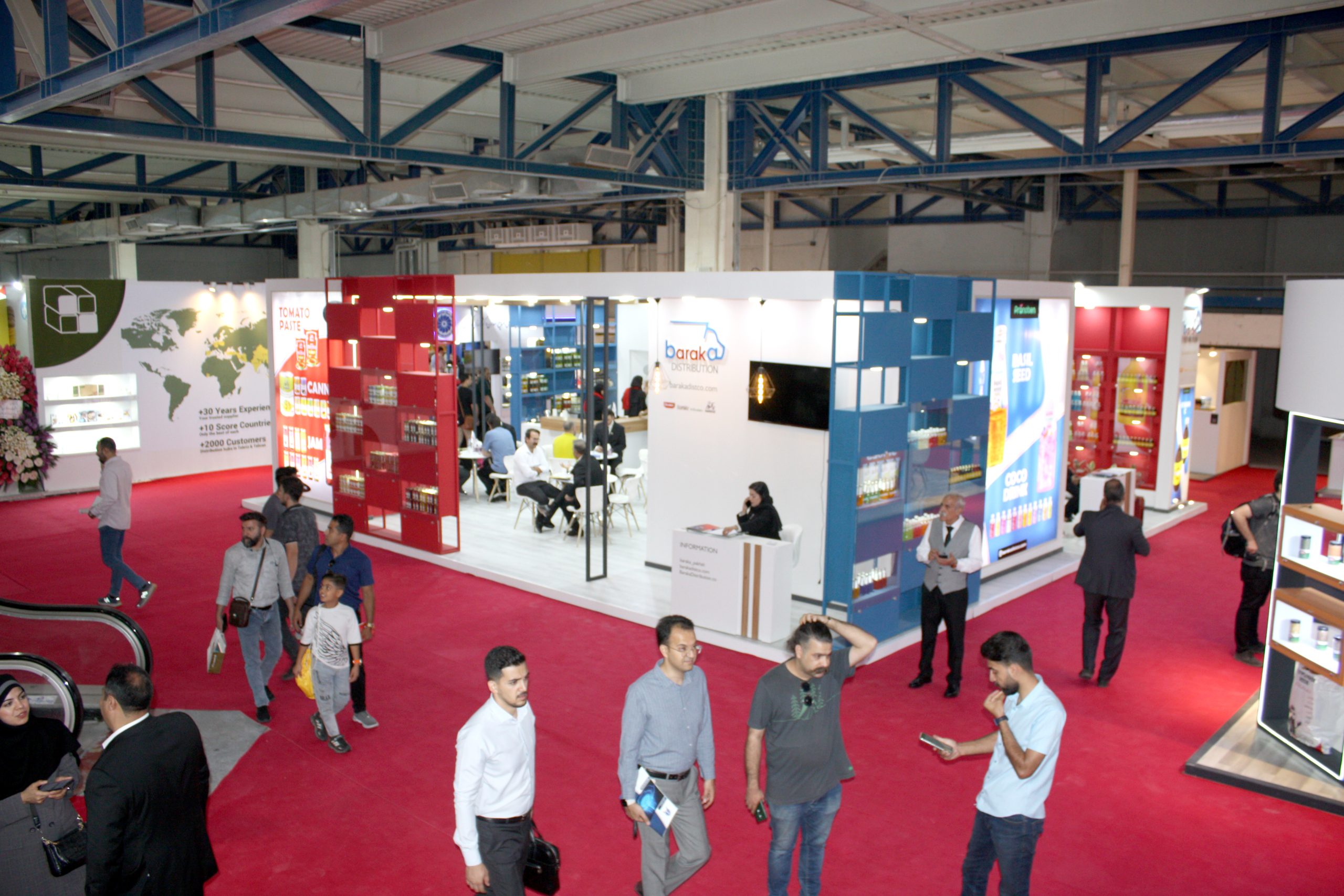
Baraka at IranAgrofood
agrofood in tehran 1403 The 31st international specialized exhibition of agricultural, food, machinery and related…